Kids love sweet things, so getting them to eat less sugar is tricky. Plus, with sugar hidden in so many everyday foods and drinks, it can be hard to know what's healthy and what's not.
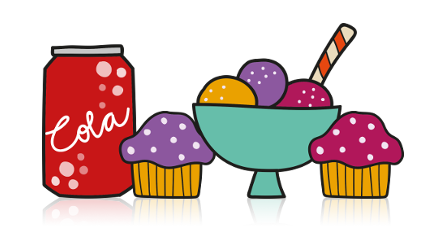
Illustration of sugary snacks
However, it's important we do our best, because too much sugar isn't just bad for kids' teeth. In the long run it can also lead to more serious issues like obesity, which in turn is linked to type 2 diabetes, and is the second-biggest preventable cause of cancer. But there are lots of easy and simple ways you can help reduce the amount of sugar your kids are eating.
What’s the maximum amount of sugar we can have?
It can be difficult to know how much sugar we should have a day. Here we have the guidelines for the maximum amount of sugars kids should have a day:
4- 6 years old
- Maximum recommended added sugar intake per day: 19 grams
- This is equal to 4 teaspoons of sugar
7-10 years old
- Maximum recommended added sugar intake per day: 24 grams
- This is equal to 5 teaspoons of sugar
11+ years old
- Maximum recommended added sugar intake per day: 30 grams
- This is equal to 6 teaspoons of sugar
Sugar watch!
But what does the maximum amount of sugar mean? It can be difficult to see how much sugar is in different foods, so we have some sweet snacks below to give you an idea of how many teaspoons of sugar are in each of them:
A can of fizzy drink has 7 teaspoons of sugar.
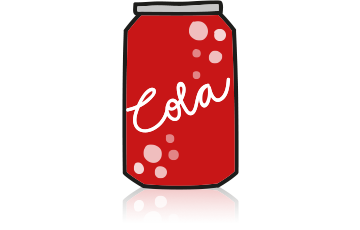
Illustration of a cola can
A sweet muffin has 5 teaspoons of sugar.

Illustration of a cupcake
A bowl of ice cream has 8 teaspoons of sugar.
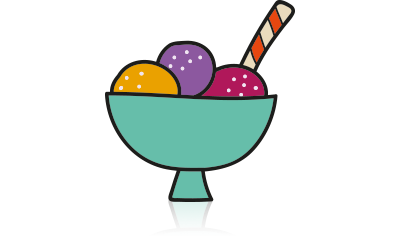
Illustration of a bowl of ice-cream
All these snacks contain more than the maximum daily amount recommended for an 8 year old.
How can we reduce the amount of sugar we eat?
The main thing you need to avoid is added sugar. This is extra sugar that manufacturers add to sweeten food. It doesn't include the natural sugars you find in dairy, fruit and veg - this sugar is OK.
Watch out for words manufacturers put on labels that actually mean added sugar:
- Cane sugar
- Honey
- Brown sugar
- High fructose corn syrup
- Fruit juice concentrate
- Corn syrup
- Fructose
- Sucrose
- Glucose
- Crystalline sucrose
- Nectars
Try to go for products with 'no added sugar' written on the labels. You will see it listed on lots of everyday items including cereal boxes and squashes and fruit juices.
What sugar swaps can we make to eat and drink less sugar a day?
Here are some simple swaps to help your kids eat less sugar. These may seem like big changes to make all in one go so you can always try introducing the swaps gradually to ease your family into a healthier diet.
Swap #1: Sugary drinks
Swap #1: Sugary drinks
Swap #2: Breakfast
Swap #2: Breakfast
Swap #3: Snacks
Swap #3: Snacks
Swap #4: Puddings
Swap #4: Puddings
New guidance on slushies
Food Standards Scotland and The Food Standards Agency have issued guidance on glycerol (a sugar substitute) used in slush-ice drinks – slushies.
This guidance follows an FSA risk assessment which found that children under 10 may suffer from headaches and sickness caused by the amount of glycerol in slushies, especially if a child (under 10) drinks several slushies in a short space of time.
They are advising that:
- Slushies are not suitable for children aged 4 and under.
- Free slushy refills should not be offered, by retailers, to children under 10.
You can find out more on the Food Standards Scotland website.
Top tips from parents
"Limit the kids’ intake of sugar throughout the week. Allow sugar only at the weekend."
- Erin, mum from Hamilton
"Stock up on sugar-free jelly to help satisfy sweet tooth cravings."
- Grace, mum
“I try to give my daughter more savoury snacks over sweet ones to prevent her from getting a sweet tooth. I like to make sugar free cakes and flapjacks and savoury cheese crackers."
- Kelly, mum from Edinburgh